by DragonAdmin | Apr 16, 2026 | Energy Insights
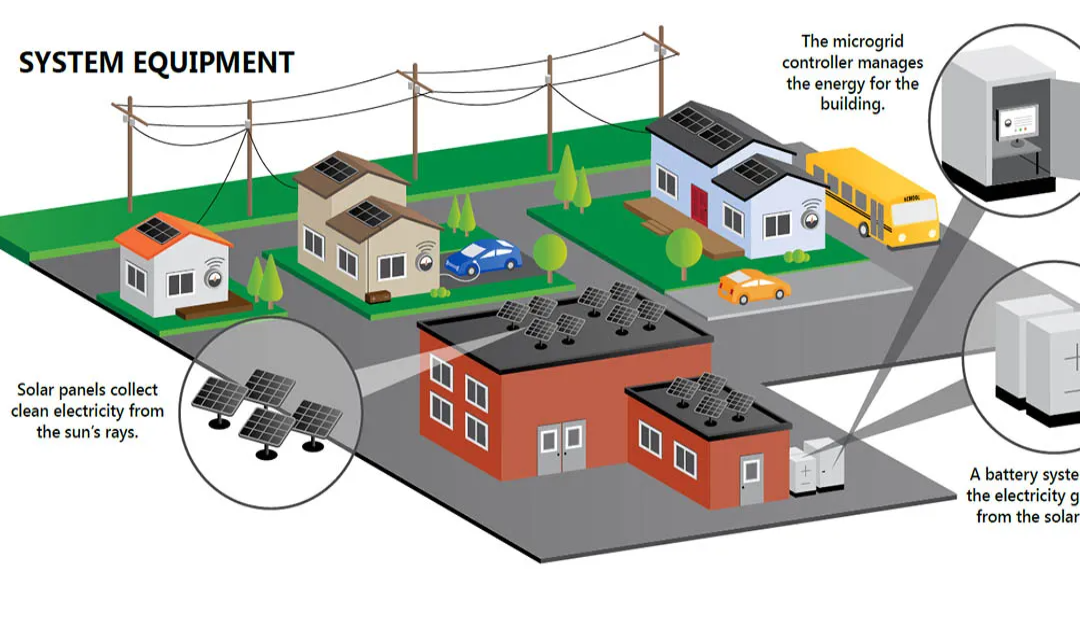
What Is a Microgrid? A microgrid is a localized energy system that can operate independently from the utility grid. It typically combines battery storage, on-site generation, and intelligent controls to manage when and how energy is used—especially during outages or...
by DragonAdmin | Apr 16, 2026 | Energy Insights
Turn Energy Flexibility Into Revenue Demand response programs pay facilities to reduce electricity usage during periods of grid stress. In New England, these programs create a powerful opportunity to generate revenue while improving grid reliability—especially when...
by DragonAdmin | Apr 16, 2026 | Energy Insights
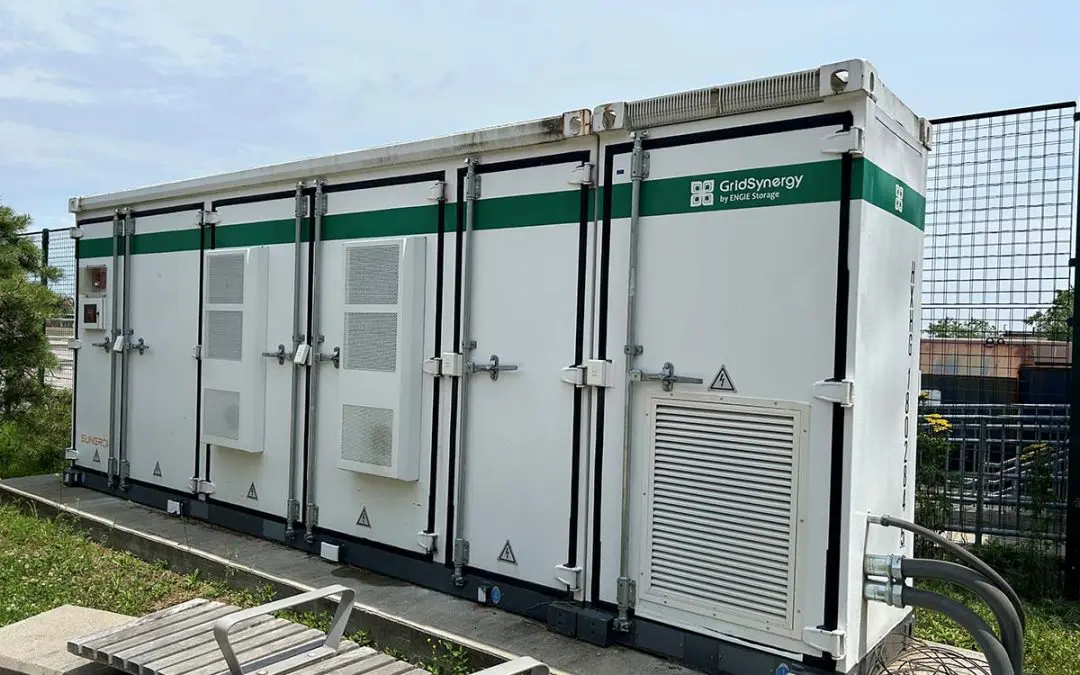
When Battery Storage Actually Pays Off Battery storage can be a powerful tool—but it doesn’t make sense for every facility.The economics depend on how your energy is used, how you’re billed, and how the system is operated. At Dragonfly, we start with data, not...
by DragonAdmin | Jun 5, 2025 | Energy Insights
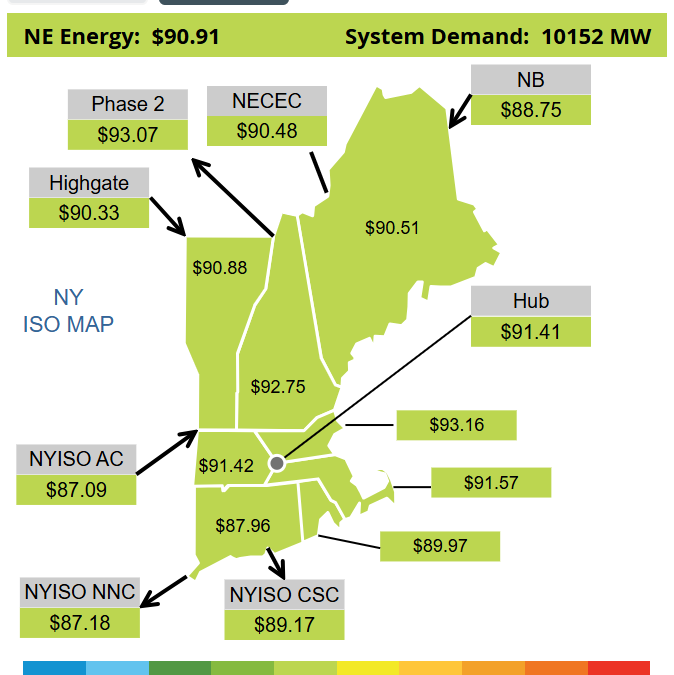
Beginning in the 1990s, many U.S. states restructured their electricity markets to introduce competition and improve efficiency. In New England, this led to the separation of electricity supply and delivery, giving customers more control over how their energy is...
by DragonAdmin | Jun 5, 2025 | Energy Insights
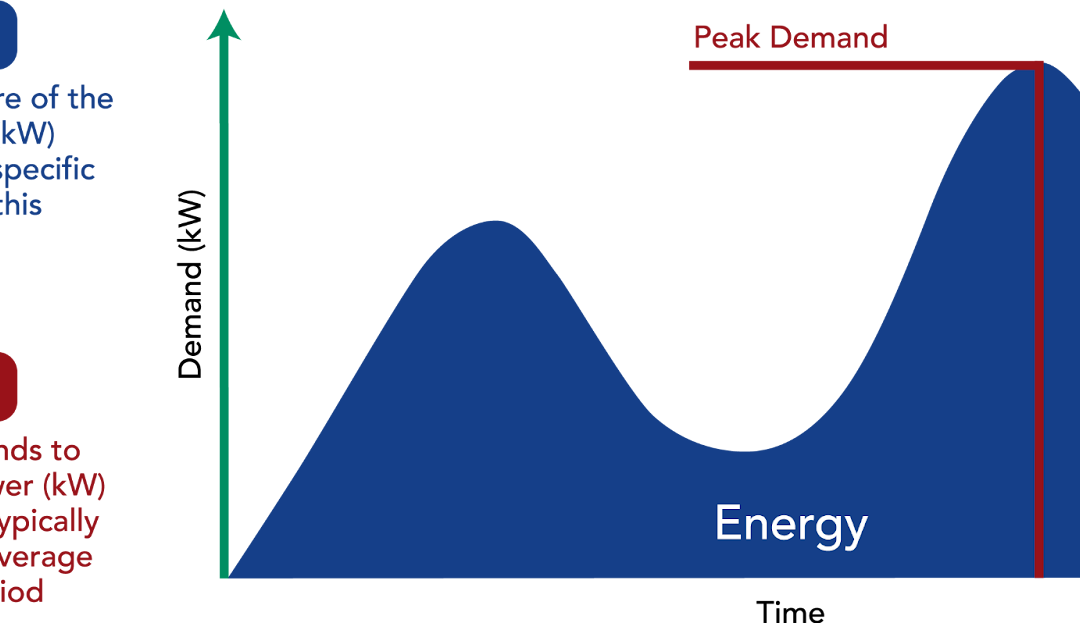
Demand charges are fees based on your highest level of electricity usage at any moment, not just how much total energy you consume. Utilities in New England (like Central Maine Power, Eversource, National Grid, Versant) measure your peak demand—typically the highest...