
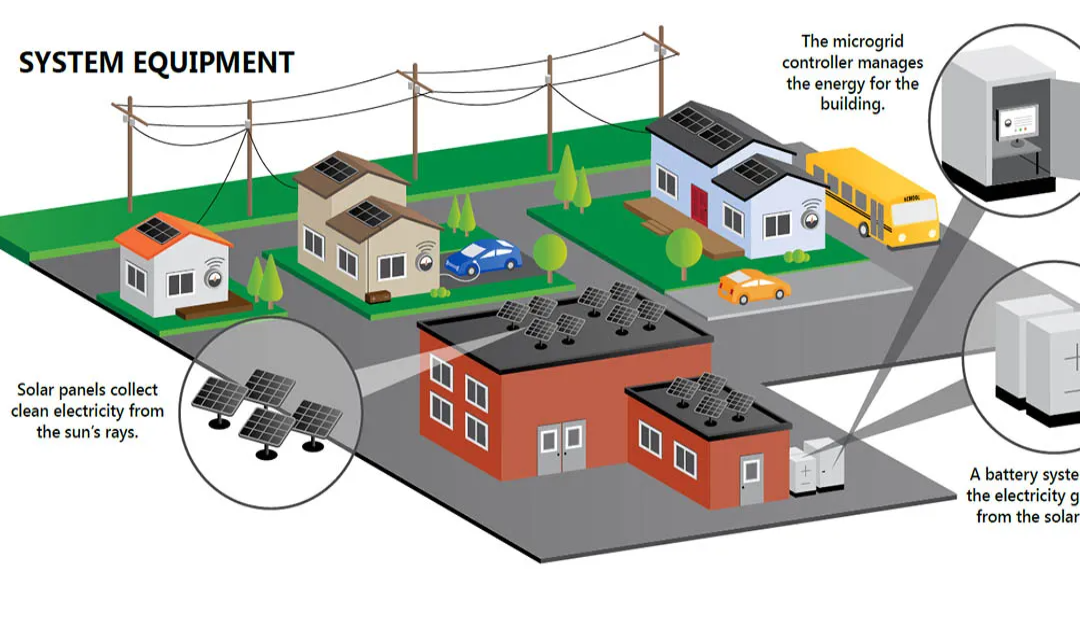
What Is a Microgrid?
A microgrid is a localized energy system that can operate independently from the utility grid.
It typically combines battery storage, on-site generation, and intelligent controls to manage when and how energy is used—especially during outages or peak demand periods.
Beyond Backup Power
Microgrids are often seen as a way to keep the lights on during outages. But when designed correctly, they can do much more. A well-designed microgrid reduces energy costs, generates revenue, and improves resilience—all within a single system.
What Makes a Microgrid Pay for Itself
- The key is stacking multiple value streams:
- Demand Charge Reduction
- Reduce peak demand using battery storage to lower monthly utility costs.
- Demand Response Revenue
- Earn income by supporting the grid during peak events.
- On-Site Generation (When It Makes Sense)
- Integrate solar or other resources when it improves overall economics.
- Resilience Value
- Maintain operations during outages and avoid costly downtime.

The Difference: Design vs Equipment
Most microgrids are built around equipment.
Dragonfly designs microgrids around data and economics.
We evaluate:
- Load profiles and peak demand
- Utility tariffs
- Demand response opportunities
- Real-world operating conditions
Then we design a technology-agnostic system that delivers measurable outcomes.
What Drives Microgrid Economics
- Demand charge exposure
- Load variability and peak behavior
- Grid program participation (ISO-NE, utilities)
- Cost of outages
- Incentives and financing structures
Common Mistake
Many microgrids are oversized or built solely for backup power—resulting in high upfront cost with limited financial return.
Dragonfly’s Approach
We design microgrids to:
- Reduce operating costs immediately
- Generate revenue through grid participation
- Provide reliable backup power when needed
If a microgrid doesn’t create measurable value, we won’t recommend it.
Key Takeaway
A microgrid should be more than backup power—it should be a financial and operational asset.