
Beginning in the 1990s, many U.S. states restructured their electricity markets to introduce competition and improve efficiency.
In New England, this led to the separation of electricity supply and delivery, giving customers more control over how their energy is sourced while maintaining reliable grid infrastructure.
Two Components of Your Electricity Service
Your electricity service is made up of two distinct parts:
Supply
The supply component covers the generation and sale of electricity.
This is the energy you consume, produced by power plants using resources such as:
- Natural gas
- Nuclear
- Hydro
- Wind
- Solar
Delivery
The delivery component covers the infrastructure required to transport electricity, including:
- Transmission lines
- Distribution wires
- Poles and transformers
- Meters
This ensures electricity is delivered reliably to your home or facility.
Customer Choice
In most New England states (excluding municipal utilities and much of Vermont), customers can choose their electricity supplier.
You have two options:
- Competitive Supplier
Purchase electricity from a licensed third-party provider - Utility “Basic Service”
Purchase electricity directly from your local utility
While you can choose your supply provider, the delivery system remains a regulated monopoly, meaning your local utility continues to deliver your electricity regardless of supplier.
How the Supply Market Works
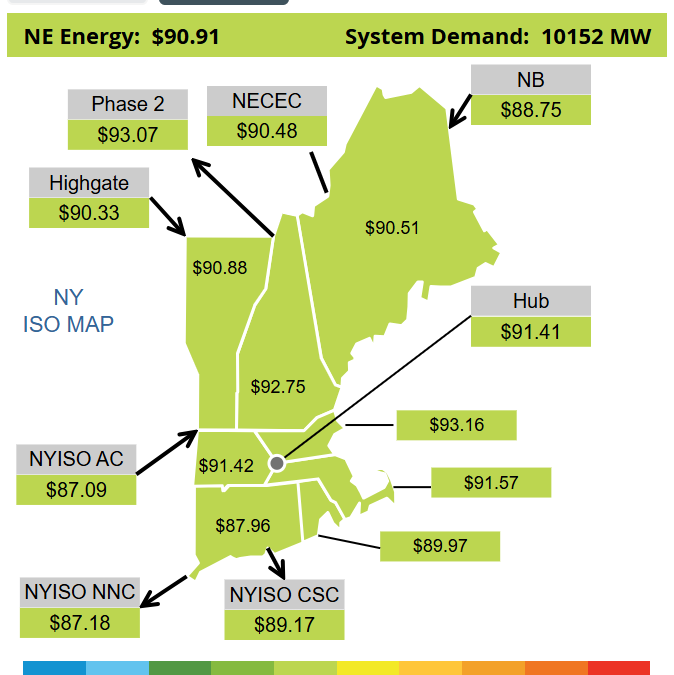
Electricity supply operates across both wholesale and retail markets.
Wholesale Market
Electricity is generated by regional power plants and managed through a centralized grid operated by:
ISO New England (ISO-NE)
ISO-NE is responsible for:
- Maintaining grid reliability
- Balancing supply and demand in real time
- Operating competitive wholesale electricity markets
Retail Market
At the retail level:
- States regulate utilities and license competitive suppliers
- Customers choose how their electricity supply is purchased
How Delivery Works
Delivery also includes two components:
Transmission (Wholesale Delivery)
High-voltage infrastructure that moves electricity from power plants across the region.
Distribution (Retail Delivery)
Local infrastructure that delivers electricity directly to homes and businesses, including:
- Street-level power lines
- Transformers
- Utility meters
Why This Matters
Understanding how electricity is structured in New England helps explain:
- Why demand charges exist
- How energy supply pricing is determined
- Where cost-saving opportunities can be found
- How demand response and battery storage create value
Dragonfly Perspective
Most energy strategies focus only on supply costs. Dragonfly looks deeper — analyzing tariffs, demand charges, and grid programs to identify opportunities to reduce costs, unlock revenue, and improve resilience.